# Premier Applique Digitizing USA: Embroidery File Preparation
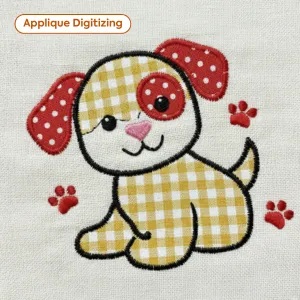
Applique embroidery is a practical and creative way to add customized designs, lettering, logos, and decorative elements to garments and textile products. From sports uniforms and school apparel to jackets, shirts, bags, and promotional clothing, applique can create detailed designs by combining fabric pieces with embroidery stitches.
However, producing a clean and professional applique design requires more than attractive artwork. The artwork needs to be converted into a properly structured embroidery file that an embroidery machine can accurately interpret.
This process is known as applique digitizing. ***[Premier Applique Digitizing USA](https://zdigitizing.com/applique-digitizing-service/)*** focuses on stitch placement, fabric positioning, layering, stitch density, sequencing, and other technical details that influence the finished embroidery.
## What Is Applique Digitizing?
Applique digitizing is the process of converting artwork into a machine readable embroidery file specifically prepared for applique production. Unlike conventional embroidery, applique uses pieces of fabric as part of the design. The embroidery file therefore needs to communicate where the fabric should be positioned and how it should be secured.
A properly digitized design normally includes placement stitches that indicate where the applique fabric belongs. Tack down stitches then secure the fabric before finishing stitches are added around the edges.
The digitizer carefully plans the sewing sequence so that each section is completed in the appropriate order. This preparation helps ensure that the finished embroidery accurately represents the original artwork while remaining suitable for machine production.
## Why Professional Applique Digitizing Matters
The quality of an applique embroidery project depends heavily on how the design is digitized. Artwork that looks clear on a computer screen may not produce the same result when converted into stitches.
Small details, narrow borders, complex shapes, and lettering may require adjustments before production. Professional digitizing takes factors such as design size, fabric type, stitch density, thread characteristics, and garment material into consideration.
These factors can affect registration, coverage, durability, and the overall appearance of the finished embroidery. Poorly prepared files can contribute to uneven borders, fabric movement, unnecessary thread buildup, gaps, or unclear details.
Careful digitizing helps reduce these potential issues and provides an embroidery file that is more suitable for production.
## Accurate Stitch Planning for Better Results
Stitch planning is an important part of professional applique digitizing. The digitizer needs to determine the correct order for each element of the design. Placement stitches are generally created first so the applique fabric can be positioned accurately.
After the fabric is placed, tack down stitches secure it to the garment. Finishing stitches can then cover the fabric edges and create a clean embroidered border. The exact sequence depends on the design, size, materials, and production requirements.
Stitch density also needs careful consideration. Excessive density can create unnecessary thread buildup and may affect the flexibility of the garment. Insufficient density, on the other hand, may result in inadequate coverage or weak detailing.
## Design Size and Fabric Considerations
An experienced digitizer considers the intended embroidery size before preparing the final file. A design intended for a large jacket may contain details that are unsuitable for a small shirt application.
Fine lines and tiny lettering can become difficult to reproduce accurately when the design is reduced. Fabric selection is another important consideration. Different fabrics have different levels of stability, stretch, thickness, and texture.
These characteristics can influence how the applique fabric and embroidery behave during production. Providing information about the garment, applique material, finished size, and intended use can help the digitizer prepare a more appropriate embroidery file.
## Choosing a Professional Applique Digitizing Service
When choosing a professional applique digitizing service in the USA, consider factors such as technical experience, communication, file compatibility, revision procedures, turnaround expectations, and attention to detail.
It is also useful to provide clear artwork and production specifications. Information about the desired embroidery size, garment type, fabric, thread colors, and intended application can help create a file that meets the project's requirements.
A reliable service should also be willing to clarify technical limitations when certain artwork details are not suitable for embroidery. Making appropriate adjustments before production can help prevent avoidable problems and improve consistency.
## Conclusion
Premier applique digitizing in the USA combines artwork preparation with specialized embroidery knowledge. Accurate placement, suitable stitch density, logical sequencing, fabric considerations, and proper quality control all contribute to a successful applique embroidery project.
Whether the design is intended for sports apparel, uniforms, fashion garments, promotional products, or customized merchandise, professional digitizing can help transform artwork into a production ready embroidery file.
Providing accurate project information and selecting a technically experienced digitizing service can make the embroidery process more efficient while helping maintain the intended appearance of the original design.
## Frequently Asked Questions
### What is applique digitizing used for?
Applique digitizing is used to convert artwork into an embroidery file that includes instructions for fabric placement, securing stitches, finishing stitches, and other embroidery details. It is commonly used for garments, uniforms, sportswear, bags, and customized textile products.
### How is applique digitizing different from regular embroidery digitizing?
Regular embroidery generally creates the design primarily with thread. Applique embroidery incorporates fabric pieces into the design, so the digitized file must include placement and securing stitches in addition to the finishing embroidery.
### What information should I provide for an applique digitizing project?
Providing clear artwork, the intended embroidery size, garment type, fabric information, preferred thread colors, and embroidery machine format can help the digitizer prepare a suitable file.
### Can small or detailed artwork be converted into applique?
Many designs can be converted into applique, but very small details may need to be simplified or adjusted. The final result depends on the design dimensions, fabric, stitch requirements, and capabilities of the embroidery machine.